Organic Banana Redwork: A Fresh Market Seller
When you’re stocking a booth for a weekend craft fair, every design in your lineup has to earn its place. It needs to catch a customer’s eye from a few feet away, feel good to produce in batches, and translate into products people actually want to buy. Let’s walk through Organic Banana Redwork from that exact perspective, as if I’m reviewing it right now before sending it to the hoop.
First Impressions: Cute, Clean, and Kitchen-Ready
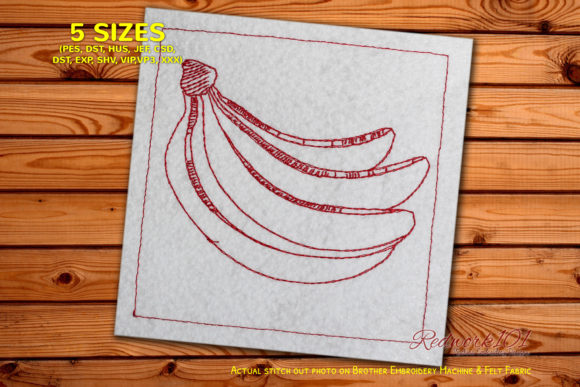
The title Organic Banana Redwork tells you almost everything you need to know. This isn’t a complex, multi-color illustration; it’s a single-color redwork design focused on a banana. That immediately gives it a clean, rustic, and slightly farmhouse feel. The word “Organic” adds a premium, modern touch that resonates with today’s shoppers. It’s cute without being childish, simple without being plain. In a crowded marketplace, this clarity is a strength. Customers understand it at a glance: it’s a banana, it’s organic, it’s handmade. That’s a powerful trio for a quick sale.
Where It Stands Out on the Display Table
Picture your table: tote bags, aprons, tea towels, caps, and small pouches all laid out. Organic Banana Redwork is a food-themed design, so it naturally gravitates towards kitchen and home goods. Its strongest product fit is immediately obvious.
- Aprons and Kitchen Towels: This is its home turf. On a linen tea towel or a cotton apron, the design feels perfectly contextual. It whispers “fresh kitchen” and adds a decorative touch that’s both functional and stylish.
- Tote Bags and Market Bags: For the shopper who loves a foodie aesthetic, this design on a canvas tote bag makes a statement. It’s less about the kitchen and more about a lifestyle—healthy, natural, mindful.
- Pillow Covers: In a smaller size, it could work as a charming accent pillow in a sunroom or kitchen nook, leaning into that farmhouse decorative mood.
- Embroidered Patches: This is a fantastic option. A crisp Organic Banana Redwork patch can be applied to denim jackets, hats, or bags. It’s affordable for the buyer and incredibly efficient for you to produce in batches.
- Caps and Pouches: On a curved cap surface, the simple lines should handle the curve well. On a small fabric pouch, it becomes a giftable, branded item.
The optional box stitch mentioned in the description is a critical production note. If the outer box is a different color and not part of the design itself, you can skip it. This likely means the core banana design is clean and standalone, which is excellent for flexibility. You can choose to frame it for a more finished look or let the banana shine solo for a more minimal, modern product.
Practical Production & Selling Points
Turning a digital embroidery file into a stack of craft fair products requires a practical mindset. Here’s how Organic Banana Redwork measures up.
Batch Production & Photographing for Sales
The design’s simplicity is its biggest asset for production. With likely a manageable number of thread colors (especially if skipping the optional box), it’s repeatable. You can run a series of tea towels without constantly changing threads, which speeds up your process for a fair. For Etsy sellers and online listings, this design photographs beautifully. The single-color redwork against a natural fabric (like beige linen or white cotton) creates high contrast and looks very “handmade premium” in pictures. It’s easy to create a printable mockup for your listings, but always create at least one real mockup. Stitch it out on the actual fabric you’ll use—a textured towel, a dense tote bag canvas—to see how the stitches sit.
- Stitch Density & Tiny Details: Redwork often uses outline stitches. Check the file for any extremely dense fill areas or tiny details that might become lost on textured fabrics. Test on a scrap of your intended material.
- Scale & Hoop Size: This design likely works as both a small accent and a medium focal point. Consider a smaller size for caps and patches, and a larger one for tote bags and aprons. Always confirm the hoop size recommendations in the file details before setting up your production runs.
- Thread Contrast & Fabric Colors: The classic red thread on light fabric is a winner. If venturing onto dark fabric, you’ll need to test contrast thoroughly. A pale thread or even a switch to a different color scheme might be needed to maintain clarity.
Attention, Value, and Booth Engagement
At the fair itself, this design attracts a specific but engaged customer: the home cook, the gardening enthusiast, the eco-conscious shopper. It adds visual appeal through its thematic clarity. A customer scanning your booth will group it with other food or nature-themed items, creating a cohesive section in your display. This strengthens your brand consistency if you have a similar aesthetic.
The perceived handmade quality is high because clean redwork looks intentional and skilled. It doesn’t appear overly commercial or mass-produced. This supports a good price point for your small shop products. On an apron, it feels like a custom upgrade. On a tea towel, it transforms a utilitarian item into a gift.
Careful-Use Notes for the Embroidery Designer
Before you commit to a full production run, here are my direct designer notes for Organic Banana Redwork.
- Test on Scrap Fabric First: Always. Pay attention to how the stitches lay on your chosen material—textured towels can hide fine lines, thick canvas might require a stronger stabilizer.
- Check Thread Contrast: Use the red thread on several background colors you plan to offer. Does it pop? Does it feel organic?
- Review Spacing & Clarity: If reducing the size for a patch or cap, examine whether any small interior details (like stem lines) remain clear. Some designs lose definition when miniaturized.
- Inspect Stitch Density: Ensure dense areas won’t puckerthe fabric, especially on lightweight items like pillow covers.
- Use the Right Stabilizer: Match your stabilizer to the fabric weight and the design’s stitch load. A tea towel needs a different approach than a tote bag.
- Compare Fabric Colors: Lay out your stitched sample against the other fabrics in your product line. Does it look cohesive?
- Confirm Commercial Licensing: The product description doesn’t specify licensing terms. It is imperative that you confirm commercial licensing before selling any finished products made from this embroidery file. Assume nothing.
The Final Judgment for Your Handmade Business
Organic Banana Redwork is a solid, market-ready design for craft fair products and handmade shop items. Its strength is in its straightforward, thematic appeal and production-friendly simplicity. It won’t be the loudest, boldest design on your table, but for the right customer, it will be the perfect, thoughtful pick. It elevates everyday kitchen and home goods into conversation pieces and giftable items. Focus it on aprons, tea towels, and tote bags for the highest impact, and consider patches as a quick-turn, low-cost option. Do your due diligence with testing and licensing, and this design can become a reliable, charming part of your commercial embroidery product line.