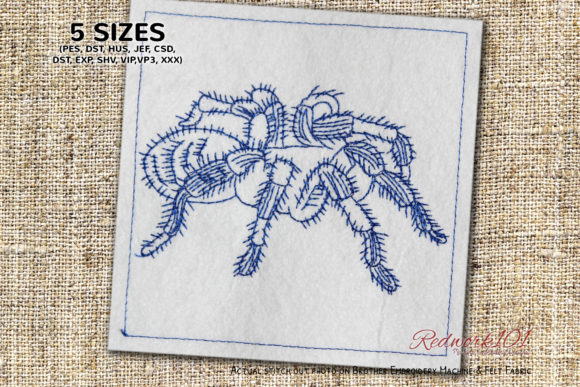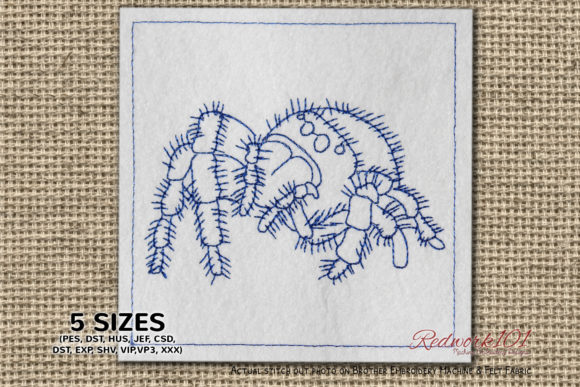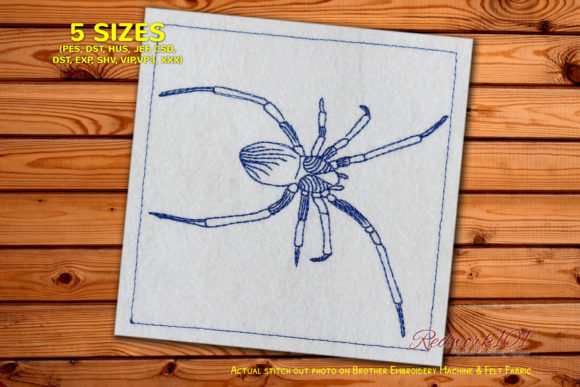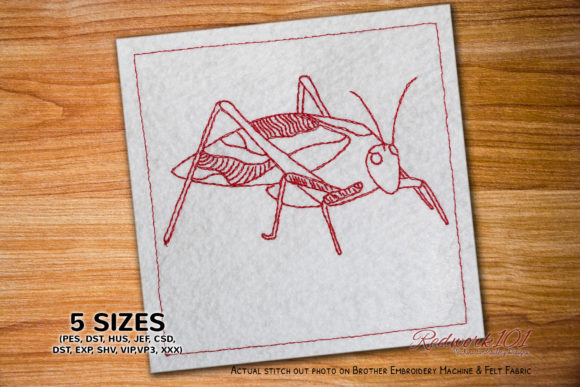
Horse-fly Redwork: A Designer's Craft Fair Review
As an embroidery designer preparing for a weekend market, every design in your portfolio gets a critical eye. You’re not just looking for beauty; you’re judging for sellability, production ease, and booth impact. Today, I’m reviewing Horse-fly Redwork, an embroidery file categorized under Bugs, to see if it deserves a spot on my tote bags, aprons, and tea towels this season.
First Impression: Rustic Charm with a Bold Statement
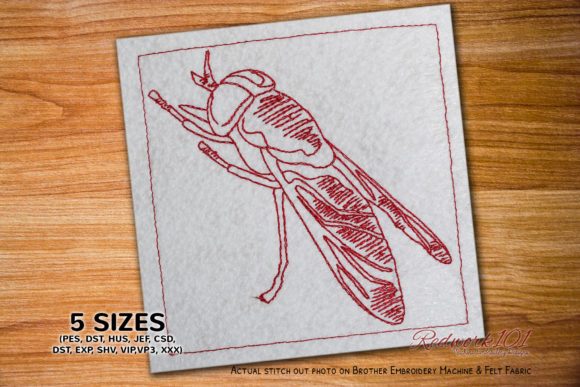
The immediate feel of Horse-fly Redwork is rustic and decorative. The “Redwork” style suggests a classic, single-color approach, often associated with folk art and farmhouse aesthetics. The subject, a horsefly, is an unexpected choice. It’s not inherently “cute,” but that’s its potential strength. In a sea of floral and fauna motifs, this design stands out as bold, conversation-starting, and niche. The optional Box Stitch mentioned in the description is a key consideration; it frames the design, adding a graphic, almost modern touch. Since the box color can vary, it allows for customization to match different fabrics—a huge plus for product versatility.
Product Performance: Where Horse-fly Redwork Shines
Your craft fair table is a mix of functional art. Let’s visualize where this design would perform best.
Strong Candidates for High Impact
Embroidered patches are a perfect starting point. Horse-fly Redwork, with its likely clean lines, would make a fantastic, standalone patch. It appeals to a specific audience—perhaps equestrian enthusiasts, bug collectors, or those seeking a unique, non-floral accent. Tote bags and market bags made from sturdy canvas or linen are another excellent canvas. The design acts as a focal point, giving a simple bag a handmade, artistic identity. For aprons and kitchen towels, it leans more toward the decorative, rustic kitchen vibe rather than a cute one. It would pair well with natural fabric colors like cream, oat, or slate.
Considerations for Specific Applications
On caps, the curved surface requires a design that isn’t overly wide or dense. You’d need to test the file at a smaller size to ensure clarity. For pillow covers, it could work as a striking accent pillow, especially in a farmhouse or cabin-style decor collection. Small fabric pouches and giftable items benefit from smaller, simpler designs; you’d need to evaluate if the detail holds up when scaled down. The key is to create at least one real mockup on your intended product fabric before batch production.
Practical Production & Selling Points
Turning a digital embroidery file into a sellable handmade product involves practical hurdles.
Clarity and Photographability
For online listings on Etsy or your shop website, a design must photograph well. Horse-fly Redwork, with its presumably single-color (red) stitching, should offer good contrast on lighter fabrics, making it clear and appealing in product photos. However, on darker fabrics, you must check thread contrast carefully—a bright red on navy might pop, but a burgundy on brown could vanish. The design’s simplicity means it’s easy to understand at a glance from a customer’s perspective across a busy booth.
Batch Production and Design Integrity
Is this design repeatable? For a craft fair, you often need to produce several units of a popular item. Redwork designs are typically less dense than full-color fills, which means faster stitch-out times and less thread consumption—a production advantage. You must, however, inspect stitch density and any tiny details in the file. Are the horsefly’s features like wings or legs rendered with enough spacing to prevent thread buildup on textured towels or thick fabric? Always test the design on scrap fabric first, using the appropriate stabilizer for your chosen product material.
Careful-Use Notes for the Embroidery Crafter
Success lies in anticipating challenges before they ruin a product.
- Small Sizing: If you plan to use this on caps or small pouches, ensure the design does not lose critical detail when minimized. Small lettering (if any) or intricate bug parts might blur.
- Fabric Texture: Textured tea towels or nubby linens can obscure clean lines. A good stabilizer is non-optional.
- The Box Stitch: Remember, the outer Box color is often different. This is an artistic choice. If it’s part of the design itself, follow the file. If it’s optional, “skipping the color directly” likely means you can choose to omit it or change its color to integrate seamlessly with your product. This flexibility is great for brand consistency across different items.
- Hoop Size & Stabilizer: Before running any batch, confirm hoop size compatibility with your machines and products. A design meant for a 5x7 hoop might not scale perfectly to a 4x4 for a cap.
Booth Display & Customer Engagement
At the fair, your display tells a story. Horse-fly Redwork products can carve out a niche corner. A group of items—a towel, a tote, a patch—all featuring this same distinctive bug creates a cohesive, memorable collection. It attracts customers who are looking for something different from the typical motifs. It adds perceived value through its artistic specificity; it feels like a knowledgeable choice, not a generic one. This boosts handmade quality perception.
For engagement, having a finished product like a tote bag as a booth sample lets customers touch and see the embroidery quality. They can appreciate the texture of the red stitches against the fabric. It sparks conversations: “Is that a horsefly? That’s so unique!” That moment is a sales opportunity.
Final Designer Recommendations
Horse-fly Redwork is a promising design for the creative entrepreneur seeking to diversify their booth. Its rustic, bold character fills a gap in the common market offerings. For best results:
- Prioritize Mockups: Stitch it out on a tea towel and a tote bag first. See it in person.
- Compare Fabric Colors: Test it on light, medium, and dark scraps to finalize your product material choices.
- Focus on High-Impact Products: Start with patches, totes, and aprons where its graphic nature shines.
- Clarify Licensing: As with any commercial embroidery file, confirm commercial licensing before selling finished products. Ensure your use at a craft fair or in your Etsy shop is covered.
- Embrace the Niche: Market it to its audience. It’s a bug, but it’s art. That’s your selling point.
In the end, a design like this isn’t for every customer, but it will be the perfect find for some. In a handmade market, that specificity is often the key to a memorable sale and a returning buyer. With careful production and a thoughtful product selection, Horse-fly Redwork can be a standout in your craft fair lineup.