A Professional Review of the Soda Bottle Machine Embroidery Design
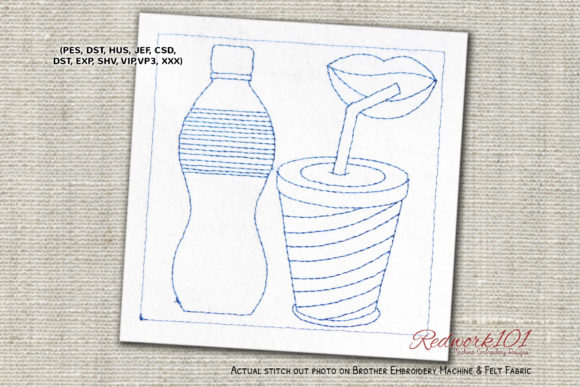
From the perspective of an embroidery designer who creates branded merchandise daily, the Soda Bottle Machine design presents a distinct and intriguing starting point. The title itself suggests a blend of industrial charm and nostalgic detail, which can translate beautifully into several small business branding scenarios. The optional "box stitch" frame mentioned in the description is a crucial design element to evaluate, as it directly impacts the design’s versatility and final aesthetic.
The Visual Personality for Brand Identity
The first impression of Soda Bottle Machine leans towards a rustic, handmade, and playful character. Without seeing the exact stitchwork, the concept evokes a sense of craft and detail-oriented work. For a small café, bakery, or creative studio, this can be a powerful asset. It feels less like a corporate logo and more like a signature mark—something that communicates authenticity and care. The optional outer box, which can be a different color, adds a layer of customization. This means the design can be adapted: a bold, contrasting box for a more modern and premium look on a boutique’s tote bag, or skipping the box entirely for a softer, purely decorative accent on an apron or uniform sleeve.
Real-World Applications for Small Business Merch
This embroidery file holds significant potential for a variety of tangible business assets.
Embroidered Patches and Product Labels
For Etsy sellers, pet brands, or handmade shops, a custom embroidered patch is a premium product add-on. The Soda Bottle Machine design, if the detail level is appropriate, could become a superb patch for labeling handmade goods or as a standalone merchandise item. The key is testing the design at a small patch size first. One must check that the presumed bottle details and any text remain clear and that the stitch density isn’t too high, which could make a small patch overly stiff.
Uniforms and Professional Apparel
For staff uniforms, caps, and aprons, this design can serve as a charming chest logo or sleeve detail. On a work shirt for a local florist or café, it conveys a friendly, specialized professionalism. For cap embroidery, the design must be evaluated for its height and width to fit comfortably on the curved front panel without distortion. The optional box could help frame the design on a cap, enhancing visibility.
Tote Bags and Customer Gifts
A tote bag design featuring Soda Bottle Machine would be a popular merchandise item. The design’s playful nature encourages customer engagement and makes the bag feel like a unique, branded gift rather than generic swag. It’s advisable to test the embroidery file on the actual bag material first, as fabric texture and stabilizer choice will dramatically affect the finished product’s look and durability.
Critical Considerations for Production Success
Turning a digital embroidery file into a successful commercial embroidery project requires careful preparation. Here are practical notes from the design room.
- Test in Monochrome First: Run a test stitch-out in black and white thread on your intended fabric. This reveals the true structure of the design, separating form from color. It helps identify if any intricate outlines or small elements will vanish on darker uniform fabrics.
- Size is Everything: Before committing, check how Soda Bottle Machine performs at your required size—especially for small patches or cap fronts. Ensure spacing between elements is sufficient to prevent thread buildup and fabric puckering.
- Color Contrast and Brand Consistency: The description notes the outer box color can differ. Use this to create thread color contrast that aligns with your brand identity. A high-contrast box might make the design pop on a dark polo shirt, while a tonal box might blend elegantly on a premium apron.
- Hoop Size and Stabilizer: Confirm the required hoop size for your project and always use the proper stabilizer. A dense design on a thin tote bag fabric needs robust support to prevent pull and distortion.
- Create a Printable Mockup for Client Approval: For designers selling this service, always create a mockup showing the design on the intended item (cap, apron, patch). This visual confirmation prevents misunderstandings and ensures the client’s brand vision is met.
- Commercial Licensing Verification: As a foundational step, confirm the commercial licensing terms of the Soda Bottle Machine embroidery file before using it for any business merchandise or product labels.
Where to Use This Design Carefully
While versatile, certain applications demand extra scrutiny.
- Very Small Patch Sizes: If the design contains fine lettering or intricate bottle details, these may lose definition at extremely small dimensions, affecting recognition.
- Items for Frequent Washing: On work shirts or aprons that undergo heavy laundering, a design with very high stitch density may wear differently. A simpler stitch-out version (perhaps without the box) might offer better longevity.
- Dark or Textured Fabrics: On dark uniforms, light thread colors for the main design are essential for visibility. On heavily textured fabrics, some detail might be lost; a test stitch-out is non-negotiable.
- As a Standalone Brand Mark: For a business in the wine category, as suggested by the product category, this design could be a thematic accent. However, as a primary logo, it should be compared beside other brand assets to ensure visual consistency across all platforms.
The Bottom Line for Business Value
The Soda Bottle Machine embroidery design is more than a decoration; it’s a potential brand asset. Its customizable frame and thematic detail can enhance customer trust and recognition by presenting a cohesive, handmade identity. When executed well on quality merchandise, it elevates the perceived value of the product—a tote bag becomes a keeper, an apron feels professional, a patch signifies authentic craftsmanship. For embroidery shops and apparel decorators, this file represents an opportunity to help small businesses tell their story in thread. The final step is always marrying the digital file to the physical world: testing, adjusting, and ensuring that the stitch-out reflects the care that went into the brand itself.