A Designer's Review: Baby Fish Embroidery for Personalized Gifts
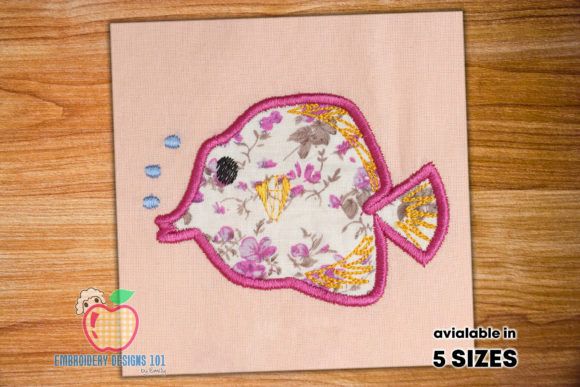
I always get a thrill when I download a new embroidery file, ready to see how it stitches out and imagine the gifts it could become. Today, I'm reviewing the Baby Fish design, putting it through the same practical test I would for any design I plan to use in my personalized gift shop. The goal isn't just to see a perfect stitch-out on scrap fabric, but to truly envision it as a finished product in a customer’s hands.
The First Impression: Sweet & Playful Charm
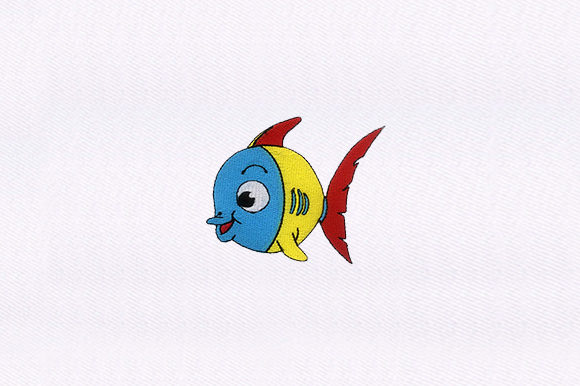
Opening the file, the immediate mood is sweet and playful. This isn’t a realistic, detailed fish; it feels designed with charm and a handmade touch. Its appeal is emotional—it’s about nostalgia, innocence, and a lighthearted joy. That makes it a versatile starting point. It could lean towards a classic nursery feel, a modern minimalist baby gift, or even a romantic element in a wedding keepsake if paired with other motifs. The detail level appears balanced, with outlines and features that should translate well into stitches without being overly dense or fragile.
From Digital File to Finished Gift: The Product Potential
This is where the real product planning begins. As a seller, I mentally walk through my catalog. For baby embroidery, this design is a natural fit for blanket corners, the hem of a onesie, or a focal point on a nursery pillow cover. Its playful nature lends itself to personalized towels—think a kitchen towel for a new mom or a bath towel for a little one. For wedding gifts, a pair of these fish embroidered on linen napkins or a pillow cover could symbolize a new journey together.
The application list is expansive:
- Baby blankets and swaddles
- Nursery decor items like wall hoops or framed fabric
- Custom tote bags for a baby’s library or beach trips
- Aprons for a grandmother or a cooking-themed gift
- Pillow covers for a child’s bed or a sentimental keepsake
- Craft fair products like embroidered tea towels or handkerchiefs
- Etsy listings focused on handmade baby products or wedding accessories
- Custom order previews for clients wanting a unique family gift
Each of these transforms the digital embroidery file into a tangible product with a story.
Where to Hoop with Care: Practical Application Notes
Experience teaches you that even charming designs have their considerations. Based on its style, I would advise careful testing on a few specific substrates before running it on a final customer order.
- Small lettering or delicate details: If the design incorporates any tiny text or fine lines, they need a precise stitch-out on stable fabric.
- Textured or thick fabrics: Stitching on a thick towel or a looped blanket requires extra stabilizer and possibly adjusted density to ensure clean definition.
- Stretchy baby clothes: Using a cutaway stabilizer and testing on similar knit fabric is crucial to prevent distortion.
- Curved surfaces: Placing it on a curved bag or hat may require careful hooping techniques.
- Dark fabric: Always stitch a test on dark material. You might need to adjust thread colors for optimal contrast and visibility.
- Products for frequent washing: For items like towels or everyday blankets, ensure your stitch density and stabilizer choice will withstand laundering.
The Giftability Factor: How Baby Fish Enhances Your Product
When I evaluate a design for my shop, I’m really evaluating its giftability. This design scores highly. Its emotional appeal creates an immediate connection, boosting the perceived value of the finished item. A customer sees not just an embroidered towel, but a thoughtful, handmade product with a sweet story. That builds customer trust and engagement.
For product photography, this kind of design is a winner. It’s visually clear, uncluttered, and photographs well on various products, making your Etsy listing or small shop product images more appealing. It invites the buyer to imagine it personalized for their specific occasion.
Essential Embroidery Steps Before Your First Sale
Before I'd ever list a product featuring Baby Fish, here is my non-negotiable checklist:
- Test on scrap fabric identical to your final product material.
- Check thread color contrast for both light and dark background fabrics.
- Confirm the hoop size required. The provided file formats—including PES, JEF, DST, and others—should contain this information, but always verify in your software.
- Review stitch density in the test piece. Is it appropriate for your chosen fabric? Too dense can stiffen a baby blanket; too light may look sparse on a towel.
- Use the proper stabilizer for your project. This is paramount for professional results.
- Compare light and dark fabric mockups, even digital ones, to plan your thread palette.
- Check small details after stitching to ensure everything is crisp and intact.
- Confirm commercial licensing before selling finished products. While the design is offered in many commercial-friendly formats like ART, EXP, and VIP, the specific license terms are not provided here. You must verify this with the designer or distributor.
Embroidery, especially for personalized gifts, is a beautiful blend of art and craft. The Baby Fish machine embroidery design offers a wonderful foundation for that craft. It’s a design that feels both sweet and versatile, waiting to be hooped, stitched, and transformed into a product that holds meaning. For the gift shop owner, the crafter, or the digital product seller, its true value is realized not just in the stitches it makes, but in the smiles it inspires.