A Design Review: Easter Egg Home Embroidery
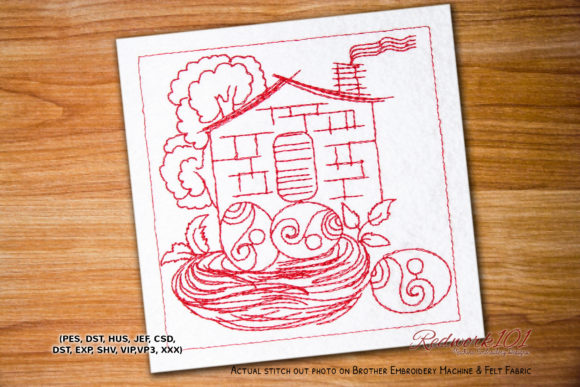
When I first opened the Easter Egg Home design, my immediate thought wasn’t about the stitches themselves, but about the mood it carries. This isn’t just a cartoon egg; it’s a little house. That gentle, cozy, and subtly whimsical feeling is its greatest strength. It speaks more of a welcoming spring home than a strictly religious holiday symbol, which opens up its appeal. The layout is clean and centered, with a level of detail that feels intentional but not overwhelming—perfect for a design that needs to look polished on a finished product without becoming a dense, time-consuming stitch-out.
Where This Design Finds Its True Home
I’m currently planning a batch of custom items for a small boutique that specializes in spring and Easter gifts. This Easter Egg Home design feels like it belongs right in that space. I’m picturing it stitched onto the corner of a linen pillow cover for nursery decor, or centered on a cotton kitchen towel for a practical yet festive touch. Its size and aesthetic also make it a prime candidate for a personalized baby item, like the bodice of a little sweater or a lightweight blanket. For my own craft business, I see it working beautifully as a focal point on a canvas tote bag—the kind of item that sells well at spring craft fairs because it’s useful, seasonal, and carries that handmade charm customers look for.
It’s also a strong contender for small shop merchandise like aprons or simple caps. The design isn’t too large or vertically stretched, which is a relief when considering curved surfaces like hats. The optional box stitch mentioned in the description is interesting; if that outer box is a separate color in the file, it could act as a built-in frame, adding a pop of contrast. But knowing I can skip it directly is a practical advantage. That means I can adapt the design quickly for a more minimalist look on, say, a delicate tea towel, or keep the full version for a more substantial sweatshirt embroidery.
Scenarios Where a Caution Flag Goes Up
Any experienced embroiderer knows that a good digital embroidery file needs to be judged by how it behaves on real fabric. The Easter Egg Home design, with its likely satin stitches for outlines and fill stitches for the interior, needs careful consideration on certain materials. On very stretchy fabric like a thin t-shirt, without the right stabilizer, those cleaner lines could distort. On dark fabric backgrounds, the thread color contrast becomes absolutely critical—a pastel egg on a black sweatshirt might lose its soft appeal and require a much brighter palette to maintain clarity.
I’d also be careful about trying to stitch this very small. If a client wants it miniaturized for a tiny hoop on a baby sock, for instance, the details of the little house windows and door might blend into a dense blob. It’s a design that benefits from a medium hoop size to let its personality shine. Similarly, on heavily textured fabrics like certain blankets or tweed, the fill stitches might not appear as smooth, affecting the overall handmade presentation and perceived value.
How This Design Impacts Your Product’s Story
From a business perspective, using a design like this on your products affects more than just aesthetics. It builds a visual story. On a gift, like a monogrammed pillow cover for a wedding gift basket in spring, it adds a layer of thoughtfulness and theme without being generic. For an Etsy seller, a well-stitched version of this on a high-quality tote bag creates a product photo that communicates professionalism and attention to detail, which directly feeds customer trust and engagement.
Its clean execution means it aligns well with brand consistency for a boutique or small shop specializing in home decor or children’s items. It feels intentional, not haphazard. That reliability translates to buyer confidence. When a customer sees a crisp, clear embroidered patch using this design, they recognize the skill involved, which elevates the product from a simple craft to a desirable handmade item. For commercial embroidery projects, like a run of aprons for a local cafe’s Easter event, it delivers a recognizable, festive motif efficiently.
Practical Notes From the Hoop
Before I ever load this machine embroidery design onto a machine for a real project, my process is always the same. I’ll stitch it out on a piece of scrap fabric first—the same material I intend to use for the final product. This is non-negotiable. It lets me review the actual stitch density, check for any potential thread breaks in small details, and see how the colors I’ve chosen interact. I’ll often test it in both a light and dark fabric scrap to judge contrast.
A crucial step is to check the licensing terms for this digital embroidery file, especially if I’m planning to sell the finished products or use it in my craft business. I never assume. The product description doesn’t specify, so I would need to confirm this before any commercial use. Similarly, verifying the exact hoop size requirements and machine compatibility is a must; the description doesn’t list them, so that’s a detail I’d seek out.
Using a proper stabilizer for the chosen fabric is key to preserving the design’s clarity. For items like apparel or tote bags that will undergo frequent washing, a robust stitch foundation is important to longevity. I also like to create simple black and white printable mockups sometimes to see how the design layout works as a graphic, even before thread is involved. This helps in planning placement on products like caps or curved baby items.
Ultimately, the Easter Egg Home design feels like a versatile and thoughtful asset. It has a gentle visual personality that fits a range of spring and embroidery projects. With practical testing and careful application on suitable products, it can become a reliable part of your seasonal crafting or small business lineup, creating finished products that carry a sense of home and handmade care.